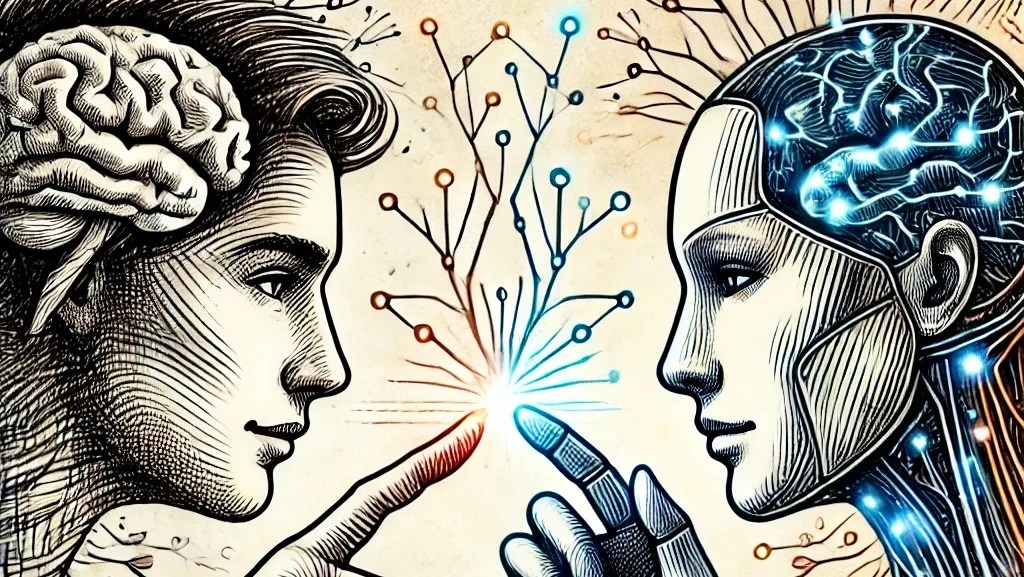
AI is reshaping industries, from automating operations to driving strategic decision-making. However, AI is not just about automation—it’s about enhancing human capabilities for better efficiency, innovation, and risk management.
This blog explores AI’s role in enterprise applications through four key dimensions and key considerations for CxOs, including AI scalability, compliance, and workforce transformation.
1. Critical vs. Complementary AI: AI’s Role in Decision-Making
- Critical AI: AI takes over high-risk decision-making (e.g. autonomous vehicles, cybersecurity).
- Complementary AI: AI assists humans without replacing them (e.g. AI-powered customer service, healthcare diagnostics).
CxO Insight:
Executives should start with complementary AI (Crawl) and gradually expand AI’s decision-making role (Run) as trust and reliability improve.
2. Reactive vs. Proactive AI: Moving from Response to Prediction
- Reactive AI: AI responds to predefined inputs (e.g. fraud detection, recommendation engines).
- Proactive AI: AI predicts and prevents risks before they occur (e.g. predictive maintenance, early disease detection).
CxO Insight:
AI scalability depends on predictive capabilities. Organizations that move from reactive to proactive AI, gain a significant competitive advantage.
3. Dynamic vs. Static AI: Scaling AI for Enterprise Growth
- Static AI: Operates within fixed rules (e.g. rule-based finance automation).
- Dynamic AI: Continuously learns and adapts (e.g. AI in stock trading, real-time supply chain optimization).
CxO Insight:
Enterprises should transition from rule-based AI (Static) to self-learning AI (Dynamic) while maintaining ethical oversight to prevent bias.
4. AI Product Defensibility: Gaining a Competitive Edge
For AI investments to be sustainable, they must be defensible—ensuring AI solutions are differentiated, scalable, and secure.
Key AI Defensibility Factors for CxOs:
- Proprietary Data: AI models trained on exclusive data provide a competitive moat.
- Customization & Complexity: Industry-specific AI models (e.g. AI for legal, healthcare, construction, steel or energy).
- AI & Workforce Synergy: AI-augmented employees improve productivity & innovation.
- Regulatory Compliance: GDPR, AI Act, and ethical AI frameworks ensure long-term viability.
CxO Insight:
“First-Mover vs. Fast-Follower?” The AI race isn’t just about being first; it’s about executing AI strategies that align with business goals.
5. AI and Workforce Transformation: The Future of AI-Augmented Leadership
AI is not replacing jobs—it’s augmenting them. Executives must invest in AI upskilling to ensure their workforce can collaborate with AI rather than compete against it.
CxO Insight:
AI adoption should be people-centric, ensuring that employees have AI training & digital fluency for long-term success.
Conclusion: AI & Humans – The Path Forward for CxOs
AI is not about automation alone—it’s about co-evolution with human expertise. Enterprises must:
- Balance AI automation & human intervention.
- Move from reactive AI to proactive intelligence.
- Scale AI while ensuring ethical & regulatory compliance.
- Ensure AI remains defensible & strategically aligned with business goals.
CxO Call to Action:
The key question is: How will your organization harness AI—not just as a tool, but as a strategic differentiator?
Industry Insights & References:
- Microsoft’s “Crawl-Walk-Run AI Adoption Model” (2023)
- Apple’s Human Interface Guidelines

 THE AI CHRONICLE
Leave a comment